



SHOP BY COLLECTION
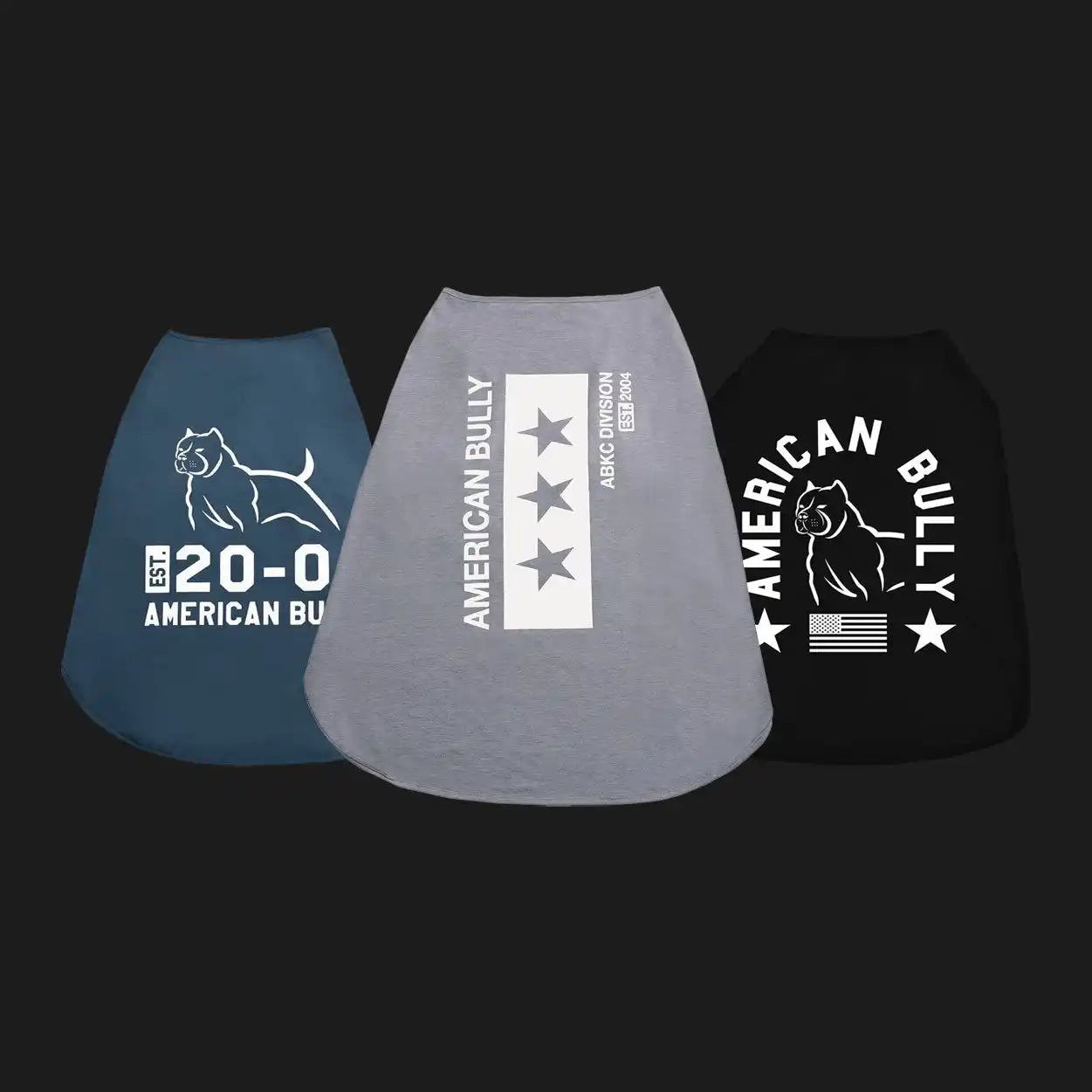
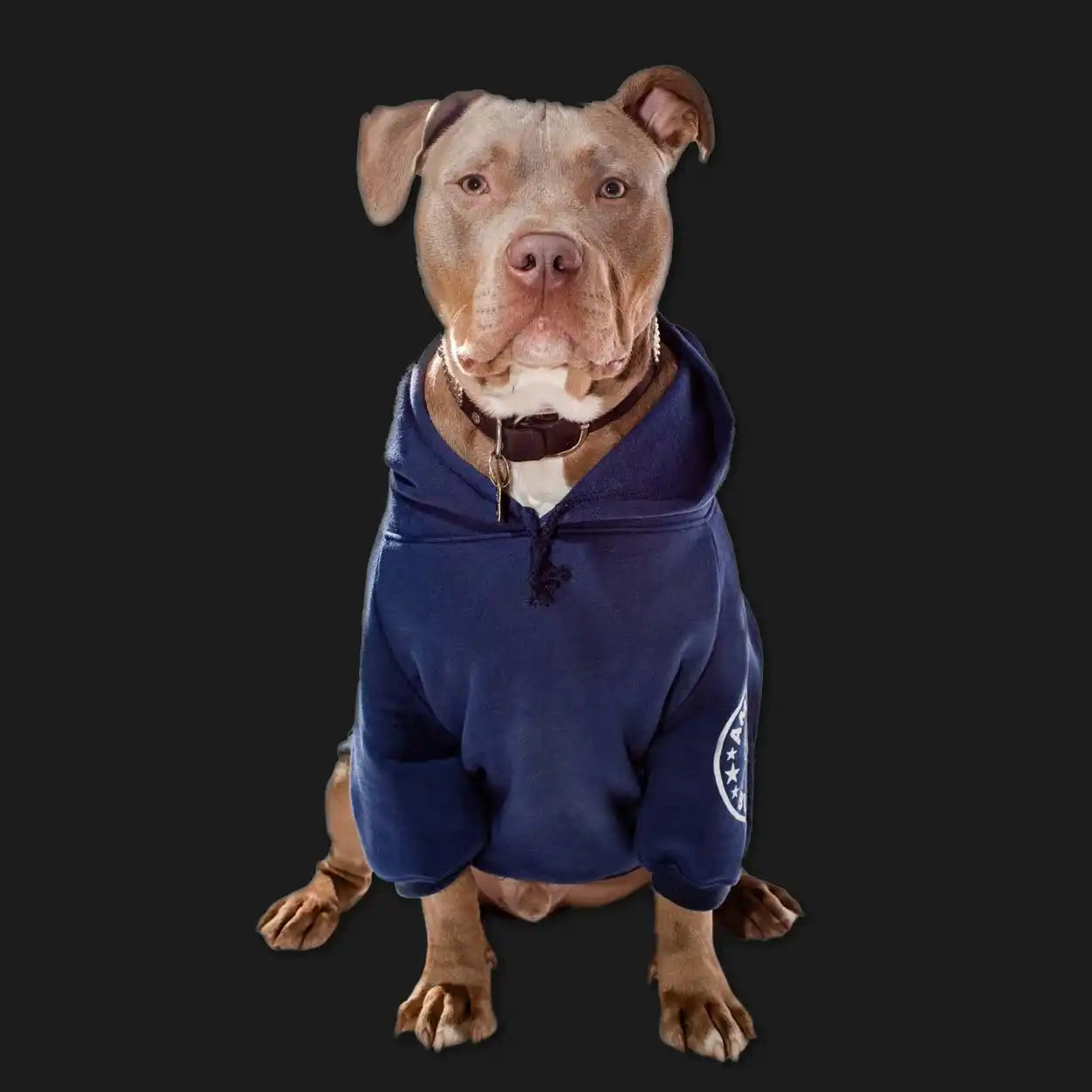


Our Bullies love us 🐶


From Our Blog
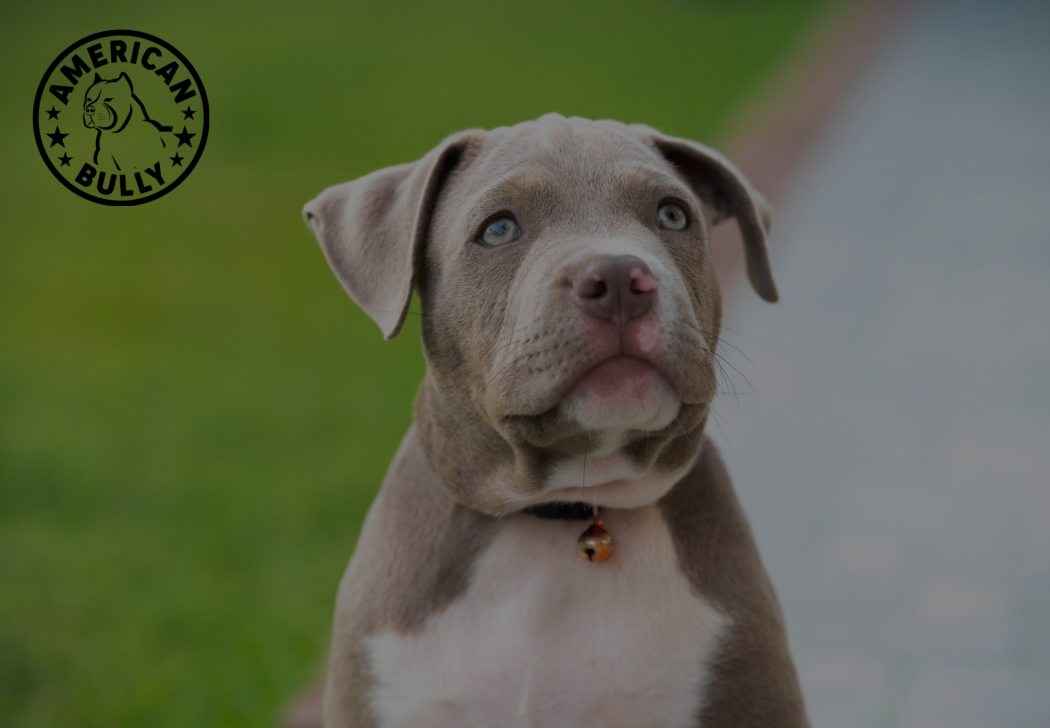
From Puppy to Pro: Agility Training Routines for American Bullies
Mar 24, 2026
The American Bully may be known for its strength and confident build, but many owners are surprised to learn how athletic and trainable this breed really is. With the right routine, your Bully can develop impressive agility, better focus, and stronger overall health.
Whether you have a young puppy or an adult dog, here’s how to build an agility training routine that takes your American Bully from beginner to pro.
Why Agility Training Is Great for American Bullies
Agility training isn’t just about speed—it’s about mental stimulation, coordination, and confidence. Because American Bullies are intelligent and eager to please, they respond extremely well to structured physical challenges.
Benefits of agility training include:
Improved muscle tone and mobility
Better focus and obedience
Reduced boredom and destructive behavior
Stronger bond between owner and dog
Increased confidence, especially for shy dogs
Even 10–15 minutes a day can make a big difference.
Stage 1: Puppy Foundations (8–16 Weeks)
At this stage, the goal isn’t intense training—it’s building confidence and teaching basic commands.
Focus on:
Short training sessions (5–10 minutes)
Basic commands: sit, stay, come, down
Walking over soft obstacles (like pillows or rolled towels)
Getting comfortable with new textures and environments
This helps your puppy learn balance and body awareness without putting stress on developing joints.
Stage 2: Beginner Agility (4–6 Months)
Once your American Bully is a bit older, you can begin simple agility routines at home.
Easy beginner exercises:
Walking through cones (or water bottles)
Stepping over low obstacles
Following you through simple turns
Learning direction cues like left and right
Keep everything low-impact and fun. The goal is confidence—not speed.
Stage 3: Building Strength and Coordination (6–12 Months)
This is where your Bully really starts to shine. At this stage, you can introduce more structured routines while still protecting growing joints.
Add these exercises:
Short tunnel runs (using a collapsible tunnel)
Low jumps (no higher than your dog’s knees)
Controlled sprint and stop drills
Platform training (stepping onto and off a low platform)
Training 3–4 times per week works best to avoid overtraining.
Stage 4: Advanced Agility Routines (1 Year and Older)
Once your American Bully reaches full maturity, you can safely increase intensity and complexity.
Advanced routine example:
Warm-up walk (5 minutes)
Cone weaving (3 minutes)
Tunnel runs (5 minutes)
Low jump sequence (5 minutes)
Recall sprint practice (3 minutes)
Cool-down walk (5 minutes)
This type of routine builds endurance, speed, and mental sharpness.
DIY Agility Equipment You Can Use at Home
You don’t need an expensive training course to get started. Many agility tools can be made with simple household items.
Try using:
Water bottles as cones
Cardboard boxes for tunnels
Broomsticks for low jumps
Folded blankets for balance work
Chairs to create simple obstacle paths
Consistency matters more than equipment.
Tips for Success With American Bullies
Because American Bullies are powerful dogs, it’s important to train smart—not just hard.
Keep these tips in mind:
Always warm up before training
Use positive reinforcement (treats + praise)
Avoid high jumps while your dog is still growing
Keep sessions short but consistent
Watch for signs of fatigue
Agility should feel exciting—not stressful—for your dog.
Final Thoughts
With patience and consistency, your American Bully can become incredibly agile, confident, and focused. Starting with simple routines and gradually increasing difficulty helps your dog stay safe while building strength and coordination.
From puppy basics to advanced obstacle routines, agility training is one of the best ways to keep your Bully happy, healthy, and mentally stimulated.

American Bully and Kids: Age-Appropriate Training Tips for Family Life
Mar 24, 2026
The American Bully is known for being loyal, affectionate, and incredibly family-oriented. One of the biggest reasons families love this breed is how naturally gentle they can be with children. But just like with any dog, building a safe and happy relationship between your Bully and your kids takes guidance, consistency, and age-appropriate training.
Here’s how to create a strong, positive bond between your American Bully and children at every stage.
Why American Bullies Are Great Family Dogs
American Bullies are naturally people-focused. They thrive on attention, love being close to their owners, and often show remarkable patience with kids when they are properly socialized and trained.
However, even the most gentle dog needs structure. Teaching both the dog and the child how to interact respectfully makes family life smoother and safer for everyone.
Toddlers (Ages 1–3): Focus on Supervision and Gentle Interaction
At this stage, the training is less about the dog and more about teaching the child how to behave around pets.
What to teach your toddler:
No pulling ears, tails, or skin
No climbing or sitting on the dog
Use soft hands when touching
Never approach the dog while eating or sleeping
What to reinforce with your Bully:
Calm behavior around small, fast movements
Basic commands like sit, stay, and leave it
Reward calm reactions with treats and praise
Toddlers move unpredictably, which can confuse or overstimulate a dog. Always supervise interactions closely during this stage.
Young Kids (Ages 4–7): Introduce Simple Training Together
This is the perfect age for kids to start learning how to participate in training. It builds trust between the child and the dog while also teaching responsibility.
Great beginner tasks for kids:
Giving simple commands like sit and down
Helping refill the water bowl
Rewarding good behavior with treats
Practicing calm greetings
American Bullies respond extremely well to positive reinforcement, so having your child involved in rewarding good behavior strengthens the bond quickly.
Older Kids (Ages 8–12): Build Respect and Responsibility
Older children can start taking a more active role in training and care. This helps the dog see the child as someone to listen to and trust.
What older kids can help with:
Short daily training sessions (5–10 minutes)
Walking the dog with supervision
Practicing recall (coming when called)
Helping with brushing and grooming
At this stage, it’s also important to teach children how to read basic dog body language—like knowing when the dog wants to play versus when it needs space.
Training Tips That Work Best for American Bullies
Because American Bullies are intelligent and eager to please, they respond best to consistent and positive training methods.
Stick to these key rules:
Use praise more than correction
Keep training sessions short and fun
Stay consistent with commands
Reward calm behavior around children
Socialize your Bully with kids early
A well-trained American Bully becomes incredibly gentle, patient, and protective around family members—especially children.
Teaching Kids How to Respect the Dog
Training shouldn’t just focus on the dog. Teaching kids how to treat a pet properly creates a lifelong relationship built on trust.
Simple rules every child should know:
Let the dog come to you first
Don’t disturb the dog while eating or sleeping
Always be gentle
Ask an adult before giving treats
Give the dog space when it walks away
When children learn respect early, the dog feels safer—and safer dogs behave better.
Final Thoughts
The American Bully is one of the most loving family breeds when raised in a positive environment. With the right guidance, kids and dogs can grow up together as best friends, creating memories that last a lifetime.
Age-appropriate training not only builds a strong bond but also creates a calm, happy home where both your Bully and your children feel safe, confident, and loved.

DIY Sensory Toys for American Bullies: Boost Mental Stimulation on a Budget
Mar 9, 2026
American Bullies are intelligent, energetic, and curious. Keeping them mentally stimulated is just as important as physical exercise, but not every Bully owner wants to spend a fortune on toys. Here are some easy DIY sensory toy ideas...